Final Project Proposal
04 Nov 2025December, the end of the semester, also the time for a interesting final project.
Overview
The Mānoa campus is filled with beautiful and interesting places, but many students miss them because their classes take place within a small area of campus.
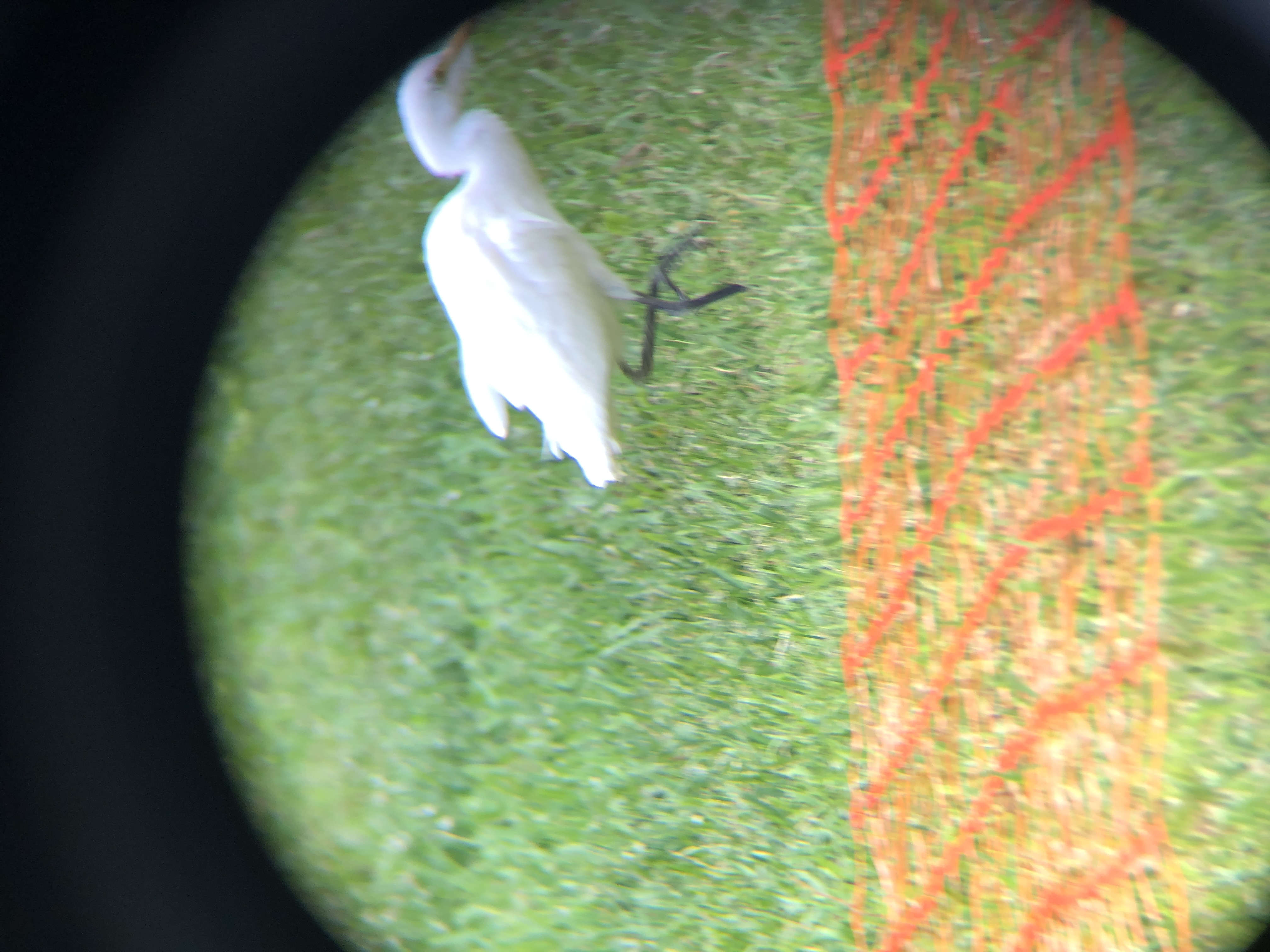
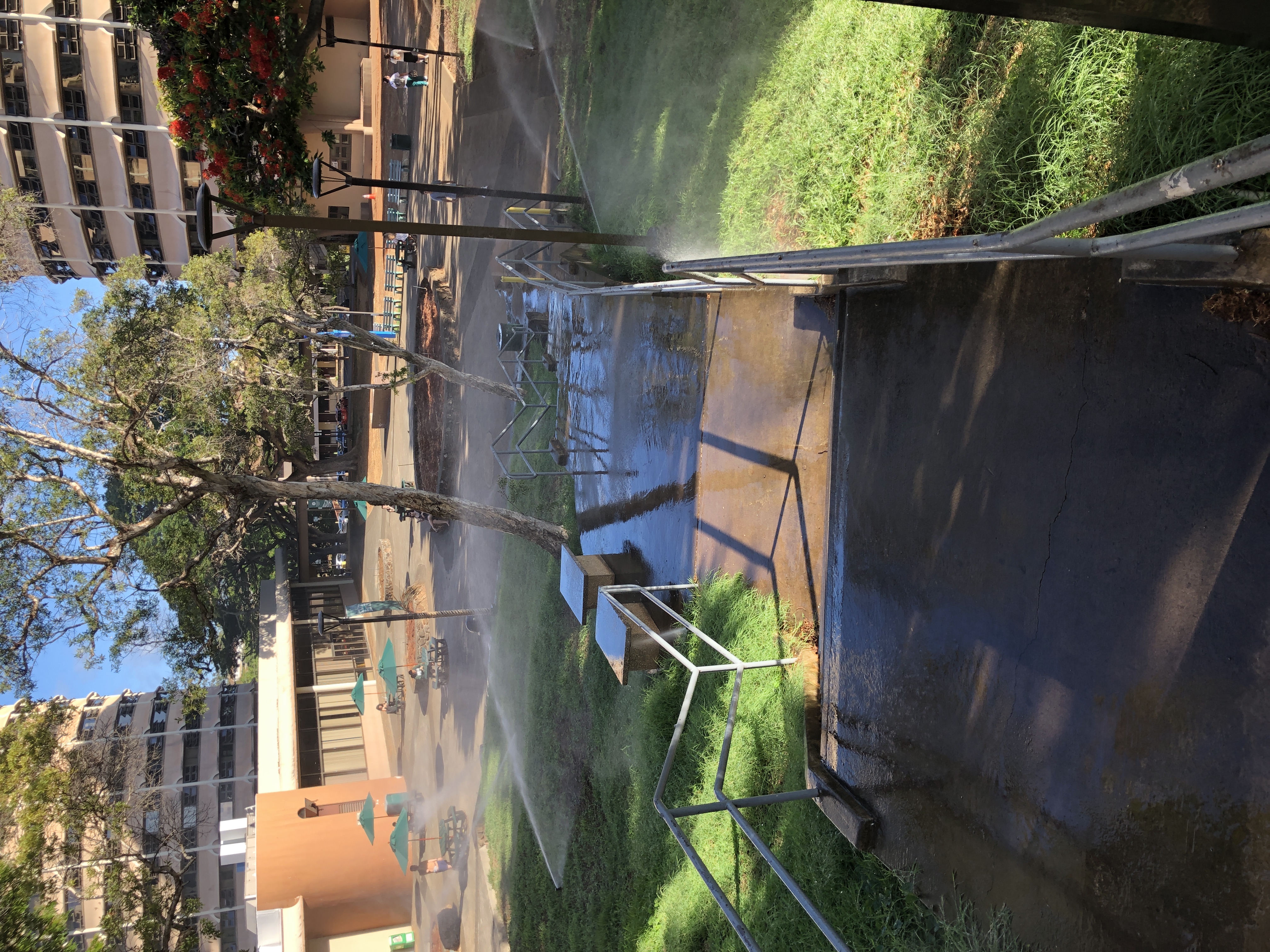
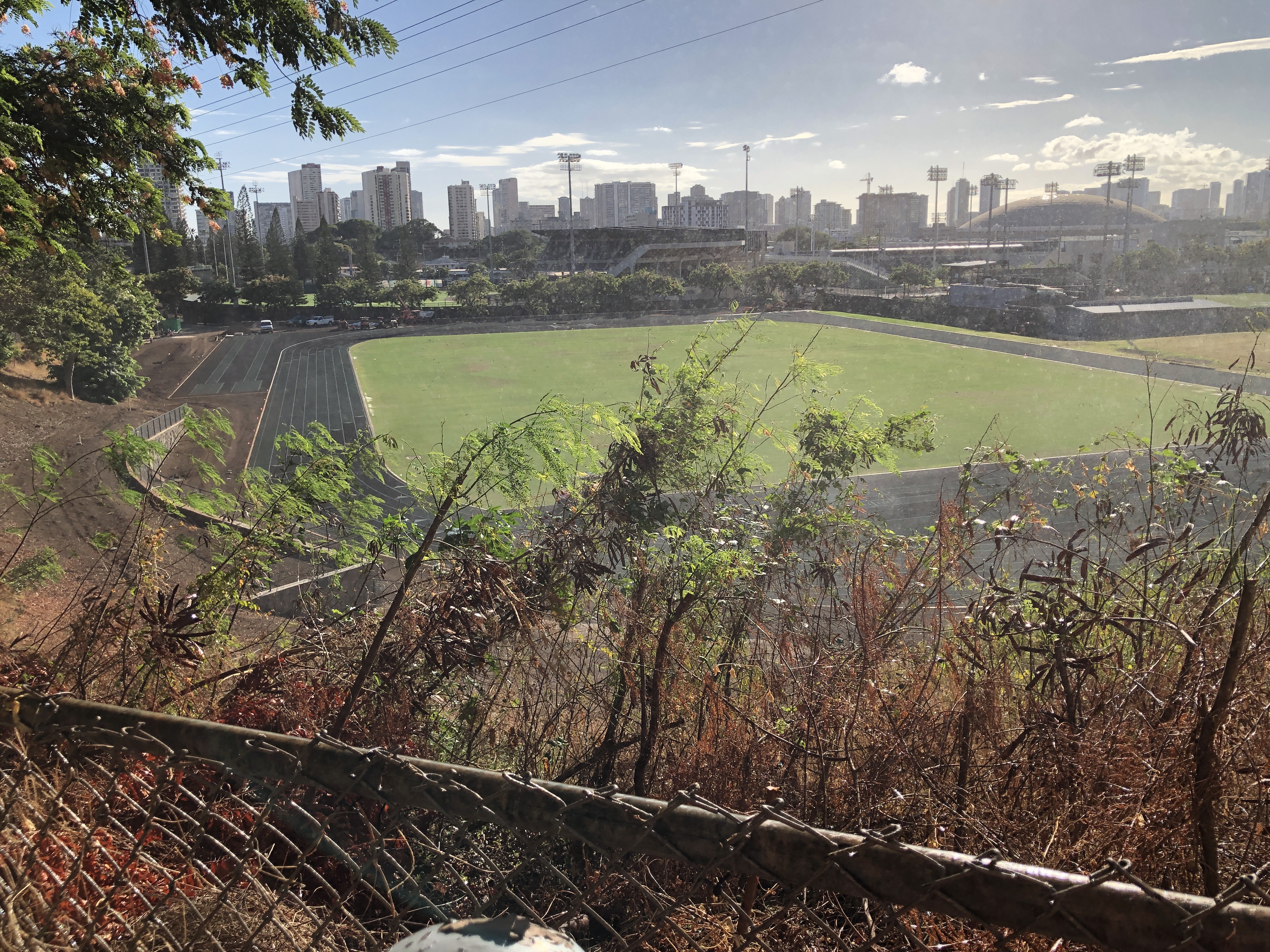
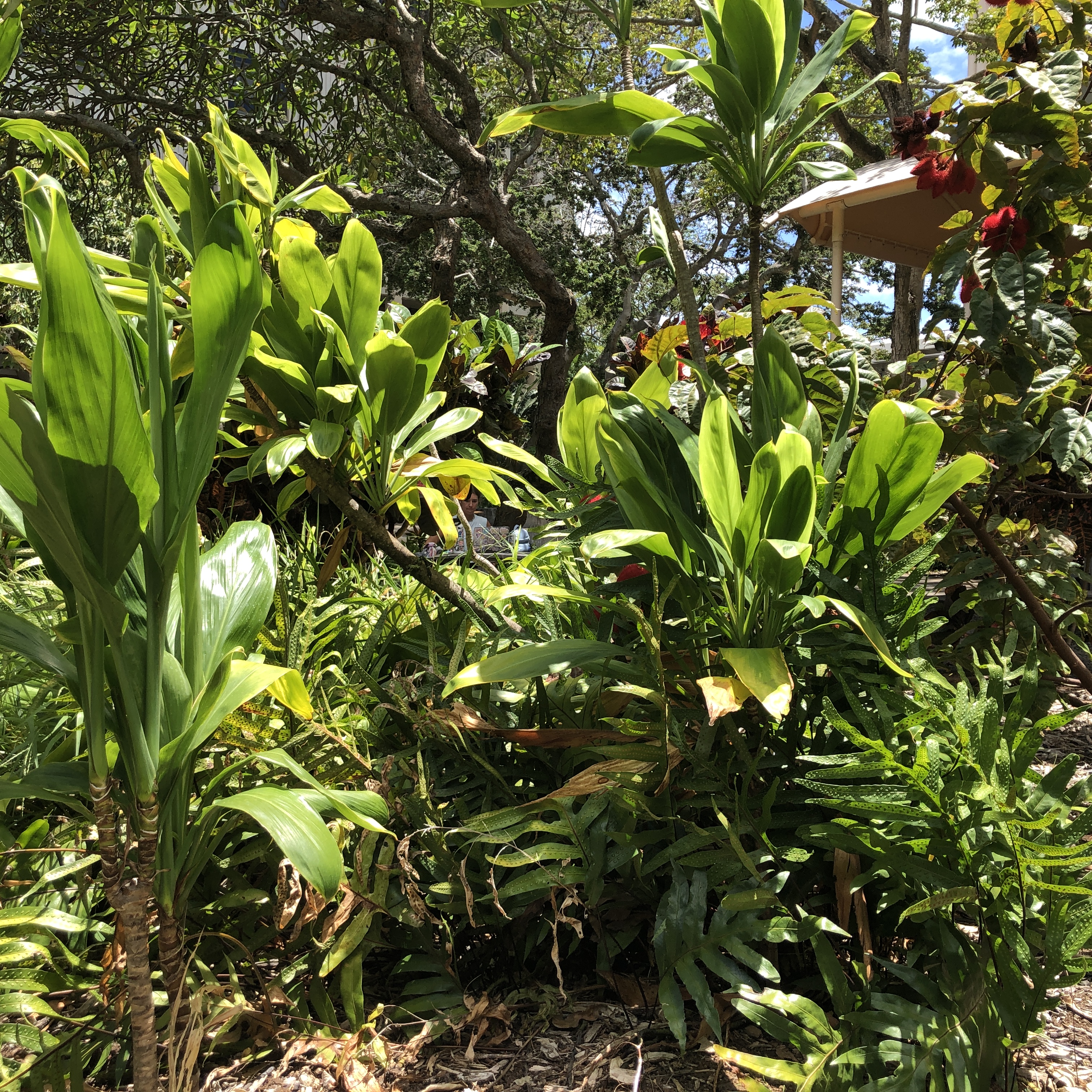

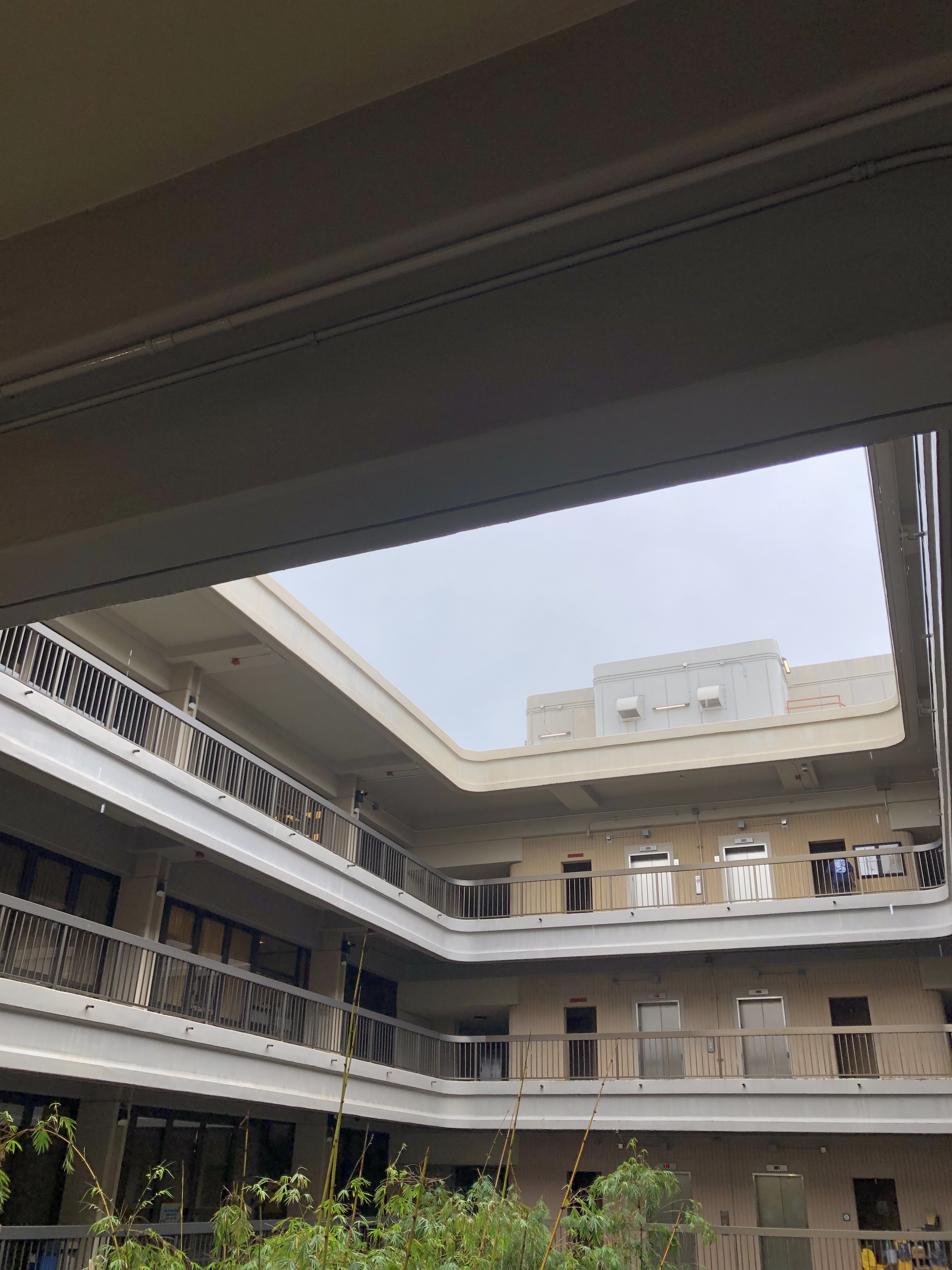

Problem: Many scenic spots on the Mānoa campus go unnoticed.
Solution: Diamond Matrix: Mānoa is a treasure-hunt style web game that highlights interesting or beautiful campus locations on a map, encouraging students to visit them in person. By exploring these locations, players experience the variety of landscapes across the Mānoa campus.
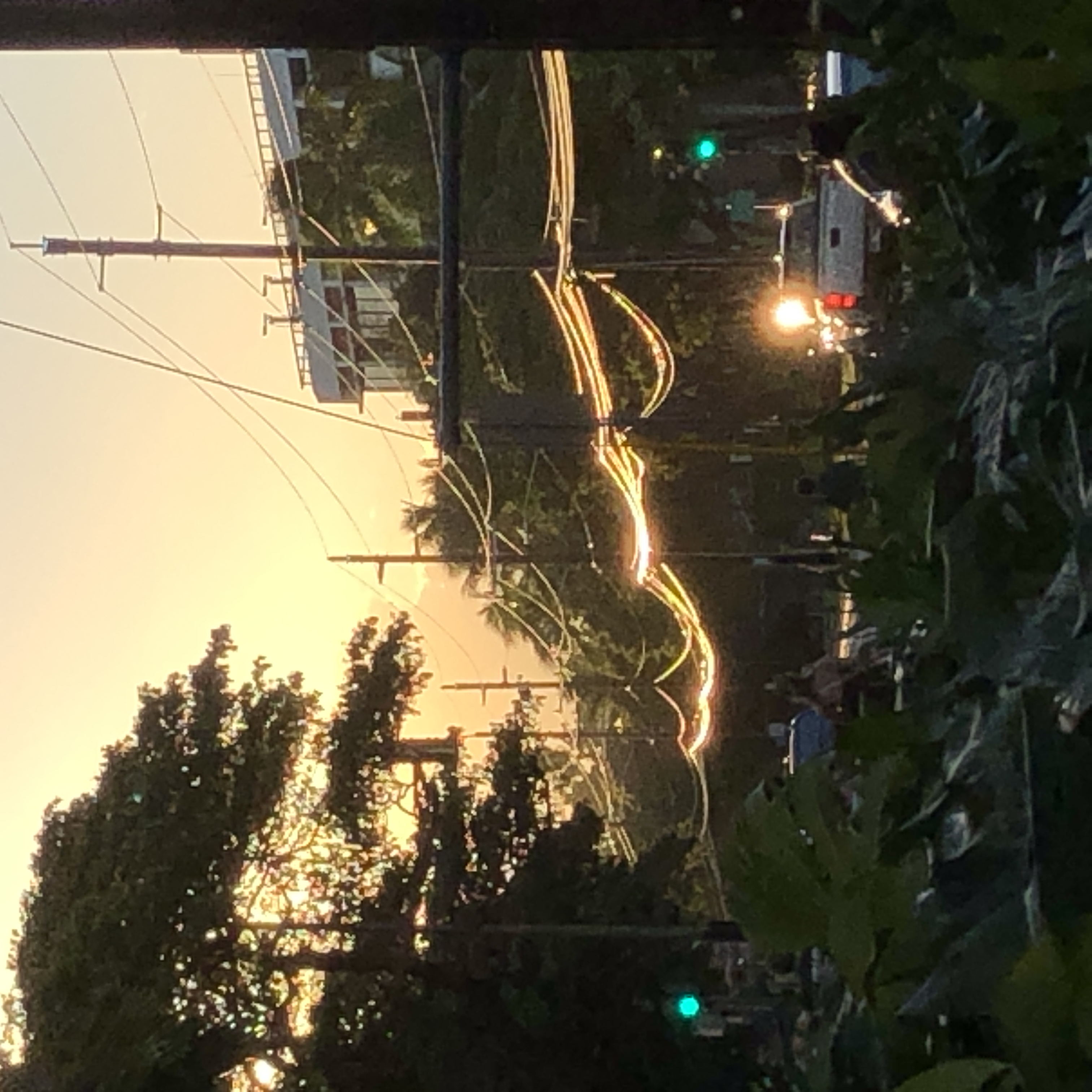
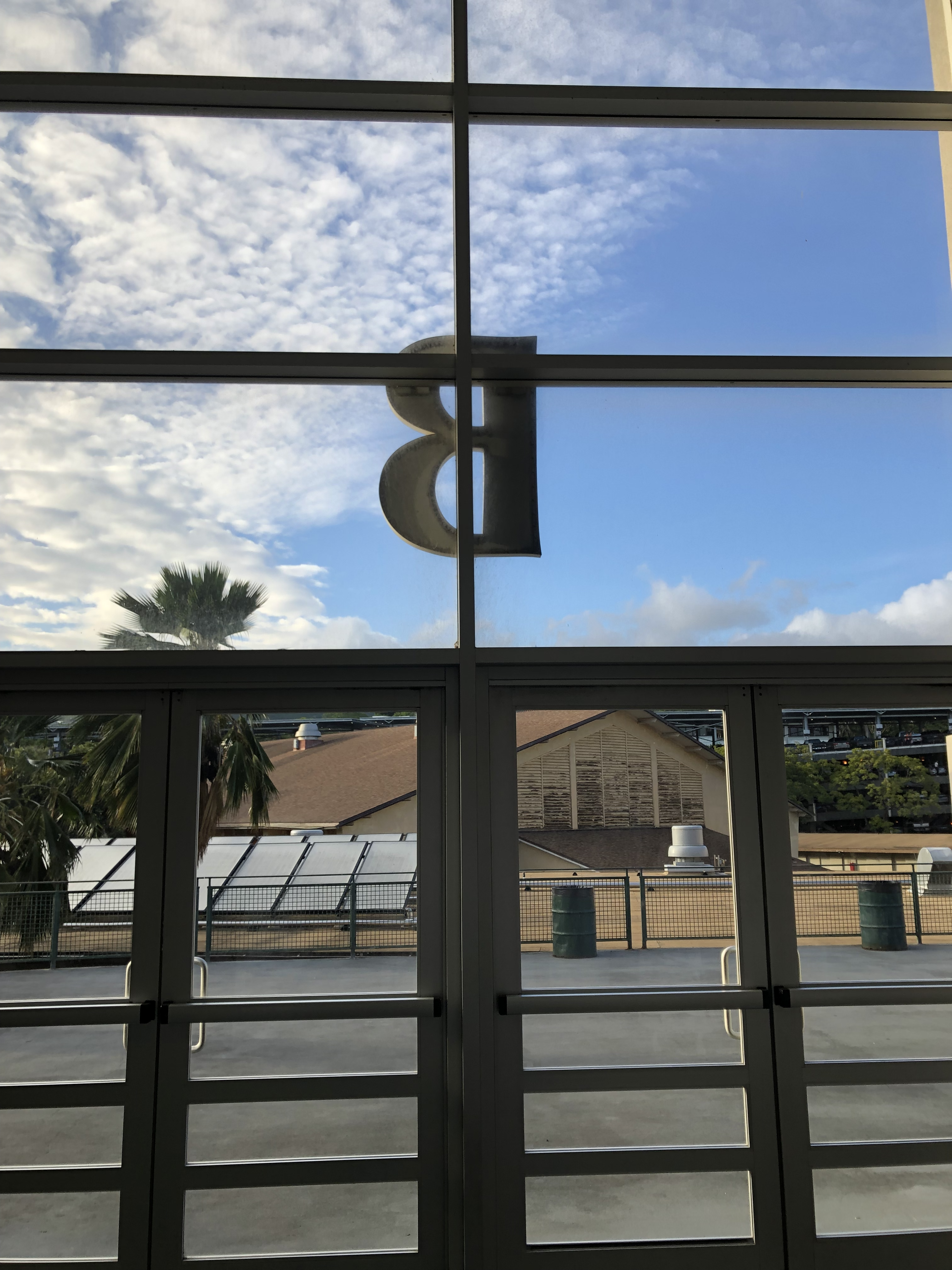
Locations requiring special privilege to access, such as dorms, are excluded. Below is a sunset view from the Hale Aloha Tower dorm lounge, floor 11.

Names of the proposers
Yuhang proposed this project. The name Diamond Matrix came to mind during daydreaming and was refined to Diamond Matrix: Mānoa for this project. The idea of the gameplay came from a side mission in Grand Theft Auto: San Andreas, where the player photograph 50 different locations around San Fierro, and sees beautiful landscapes along the way.
Mockup page ideas
The first draft of the website is outlined hierarchically:
- Homepage
- Create Account
- Account Log In
- Player
- Map
- Enter Passcode
- Achievements
- Rankings
- Account Settings
- Map
- Administrator
- Map
- Enter Passcode
- Achievements
- Rankings
- Account Settings
- All Account Summary
- Modify Account Form
- Map
- Player
The Homepage is the landing page.
New users can sign up on the Create Account page.
Registered users log in through the Account Log In page, where they can access one of two account types: Player or Administrator. All newly created accounts are player accounts by default.
Player Account Features
Players can view a Map of the Mānoa campus with four active markers. Each marker represents an unexplored location. Clicking a marker opens the Enter Passcode page, where the player enters a passcode found on-site to prove that they have visited the location. Once entered, the corresponding marker disappears and a new one unlocks. There will be about 50–70 locations in total.
Players can review their explored sites on the Achievements page, which lists each location with a photo and brief description.
They can also visit the Rankings page to see who has completed all locations. Rankings are listed by completion time in chronological order, not how fast the game is passed, since the game emphasizes exploration over competition.
Players can choose to hide their name from the rankings via Account Settings page.
Administrator Account Features
Administrators have all player features plus access to the All Account Summary page, where they can view and manage all user accounts. They can modify or delete accounts using the Modify Account Form, and change user privileges between player and administrator.
Database structure ideas
A preliminary relational database schema for Diamond Matrix: Mānoa, where each item is a table and each subitem is a column:
AccountAccountIDPrivilegeCreationTimeUsernamePassword
UserInfoAccountIDFirstNameMiddleNameLastNameWhatsUpMessage
AccountSettingAccountIDLanguageThemeJoinRanking
LocationLocationIDXCoordinateYCoordinateNamePhotographURLDescriptionOpenWeekDayOpenTimeCloseTimeFloorNumberHint
AchievementAccountIDLocationIDUnlockTimeAchieveTime
LanguageEnglishHawaiianTagalogSimplifiedChinese...
The Account, UserInfo, and AccountSetting tables are linked by AccountID and stores user-specific data.
Location stores information for each marker on the map.
Achievement tracks the progress of each user at each location.
Language contains site-wide dialogue translations, with each column representing a language.
Use case ideas
Below are some use case examples.
- A new player creates an account, logs in, views the map, and visits a marked location. He finds a hidden passcode after looking around the spot, enters it, and unlocks a new location.
- An administrator logs in, opens the All Account Summary page, selects an account, upgrades it to administrator status, and logs out.
- A player completes the final location and appears on the Rankings page. She reviews all visited locations on the Achievements page, and then disables public ranking visibility in Account Settings.
Beyond the basics
Additional planned features include:
- Time-based availability: Some campus locations close at night or on weekends. The
OpenWeekDay,OpenTime, andCloseTimefields can store accessible hour information for each location. A user will be able to see when is a location available for visiting. - Search hints: For tall buildings or multi-floor areas, the
FloorNumberandHintfields can store helpful information for players to narrow their search. - Multilingual support: Players can select their preferred language in Account Settings, with content dynamically translated from the
Languagetable.
Note: ChatGPT was used to help editing this essay.
Author: Yuhang Wu
Photo credit: Yuhang Wu